Why Every Western Anime Fan Ends Up in Shinjuku Eventually
Ask any American anime fan who's made the trip to Japan where they spent most of their time, and the answer is almost always the same. Not Akihabara — though sure, they hit that too. Not Harajuku or Shibuya, despite the Instagram pull. It's Shinjuku. Every single time.
There's something almost gravitational about it. And once you start pulling on that thread, the reasons are everywhere.
The Show Came First
Here's the thing about Shinjuku that most travel content glosses over: Western fans didn't discover the district because they visited Japan. They discovered it because anime showed it to them first.
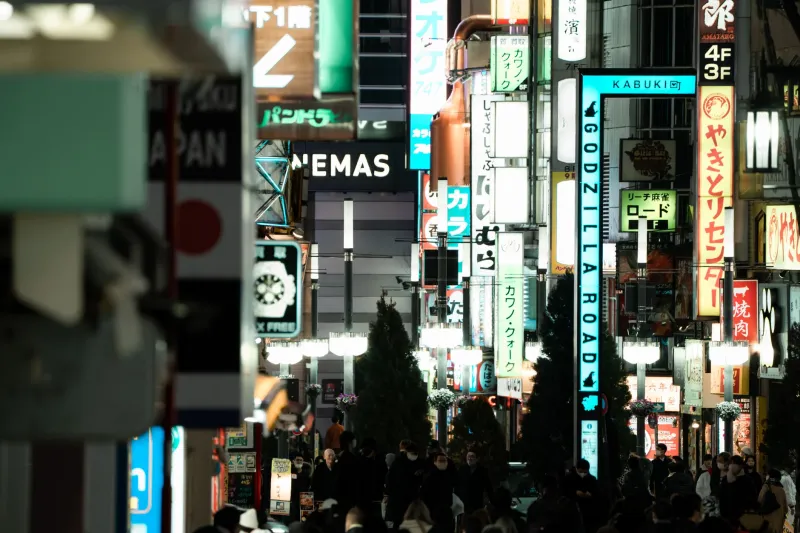
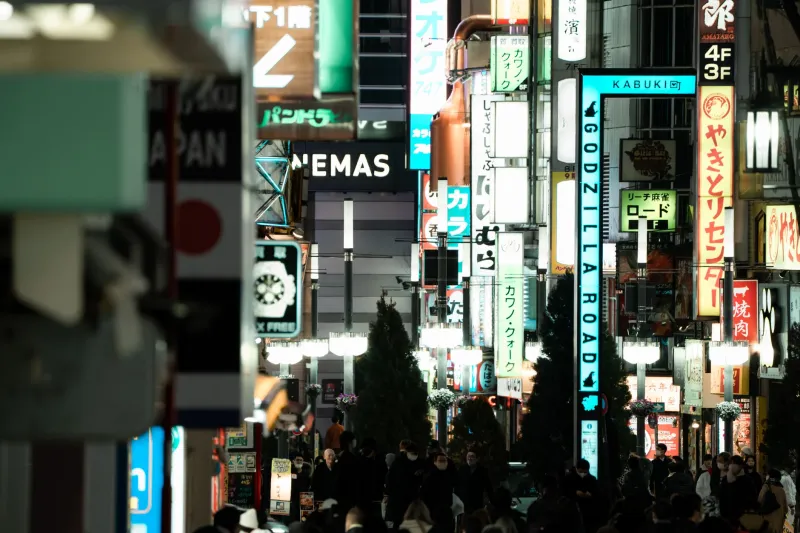
Shinjuku Station — the busiest rail hub on the planet — has appeared in more anime backgrounds than almost any other single location. The east exit scramble. The neon corridor of Kabukicho at night. The dense vertical sprawl of buildings stacked against each other like a city that ran out of horizontal space and just kept going up. These aren't just settings. For a generation of fans who grew up watching shows like Durarara!!, Tokyo Ghoul, and Shinjuku Private Eyes, these are emotionally loaded places they've already visited a hundred times in their heads.
When they finally land at Narita or Haneda and make their way into the city, Shinjuku doesn't feel foreign. It feels like a homecoming.
A Feedback Loop Nobody Planned
What makes the Shinjuku phenomenon genuinely fascinating — and kind of wild when you think about it — is that the mythology was never manufactured for export. Nobody at a tourism board sat down and decided to make this neighborhood the spiritual center of Western anime fandom. It happened organically, through a feedback loop that's been running for decades.
Anime studios concentrated in and around Tokyo used real locations as visual reference. Shinjuku, with its cinematic density and 24-hour energy, was a natural canvas. Those shows got licensed, dubbed, and streamed into American living rooms. Fans absorbed the geography. They made fan art, wrote fiction set in those streets, built online communities around shows that used Shinjuku as their backdrop. Then streaming made everything more accessible, the pandemic gave people four years to binge everything ever made, and now you've got a generation of American fans in their 20s who feel a genuine emotional connection to a Tokyo neighborhood they've never physically been to.
When international travel opened back up, they booked the flights.
What Fans Are Actually Looking For
Spend some time in the travel content side of anime fandom — the YouTube channels, the TikTok accounts, the Reddit trip reports — and a pattern emerges. Fans aren't just taking pictures in front of famous spots. They're doing something closer to a pilgrimage.
They're standing at the Kabukicho intersection at 2am trying to feel what a character felt. They're finding the specific ramen shop that appeared in the background of episode seven. They're riding the Yamanote Line loop just to experience the rhythm of it. The goal isn't tourism in the conventional sense. It's verification — confirming that the emotional reality of the shows they love is grounded in something physical and true.
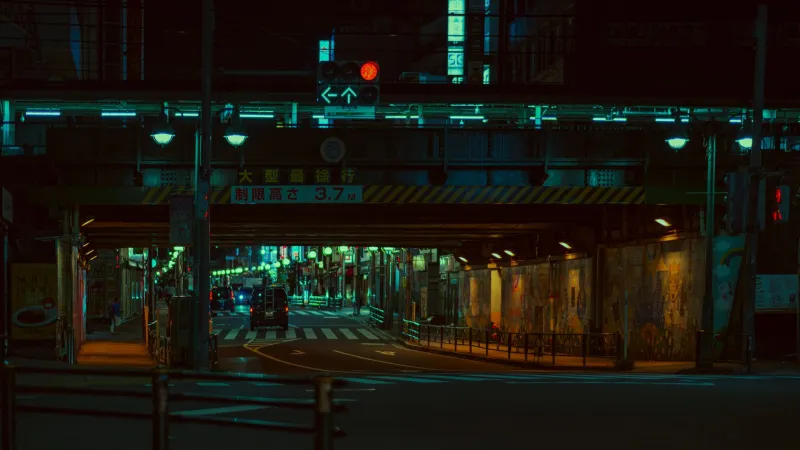
And Shinjuku delivers on that in a way few other places can. The district is genuinely, almost aggressively cinematic. The neon is real. The crowds are real. The sense that anything could happen at any corner, at any hour, is absolutely real. For fans who grew up watching anime that captured all of that, being there in person is a full-circle moment that hits harder than most travel experiences.
The Production Side of the Myth
There's another layer to this that doesn't get talked about enough: Shinjuku's actual role in the anime industry. This isn't just a neighborhood that got used as a backdrop. It's a neighborhood where a significant chunk of anime history was made.
Multiple major studios have operated in or near Shinjuku. The broader Shinjuku-adjacent corridor of western Tokyo has been home to production houses, voice acting studios, and music labels that shaped the medium. When fans walk those streets, they're not just walking through fictional geography. They're walking through the physical space where the people who made their favorite shows went to work, grabbed lunch, and rode the train home.
That connection is invisible to most tourists. For anime fans who know the history, it adds a whole other dimension to the experience.
The Community That Travels Together
One thing that's changed dramatically in the last few years is how fans are making these trips. Solo pilgrimages still happen, but increasingly, people are going in groups — sometimes organized through Discord servers, sometimes through informal meetups that form around shared travel dates. Fan creators with large followings have started doing guided content tours, essentially bringing their audiences along for the Shinjuku experience in real time.
This has turned the neighborhood into something of a living fan convention. On any given weekend, you've got clusters of American, European, and Southeast Asian fans navigating the same streets, often recognizing each other through merch, language, or the specific spots they're stopping to photograph. It's a spontaneous international community assembled by shared love of the same shows — and Shinjuku is the venue.
It's Not Going Anywhere
Here's the honest truth: Shinjuku's status as the Western fandom's spiritual home is only going to get more entrenched. New anime continues to use it as a setting. New fans continue to absorb that geography before they ever buy a plane ticket. The travel content ecosystem keeps producing material that reinforces the mythology. And every fan who makes the trip and comes back with their own photos and stories adds another layer to the collective narrative.
The district has become something genuinely rare in modern pop culture — a real place that feels mythological, and a mythological place that turns out to be real. That combination is almost impossible to manufacture. Shinjuku didn't plan to become the beating heart of Western anime fandom. It just kept showing up in the shows, decade after decade, until the fans had no choice but to come find it.
And honestly? Standing at that east exit scramble at midnight, watching the crowds move in every direction at once, the neon reflecting off everything — you kind of get it. The anime was just telling the truth all along.