Not Anime's Sidekick Anymore: How Tokusatsu Built Its Own Fandom From the Ground Up
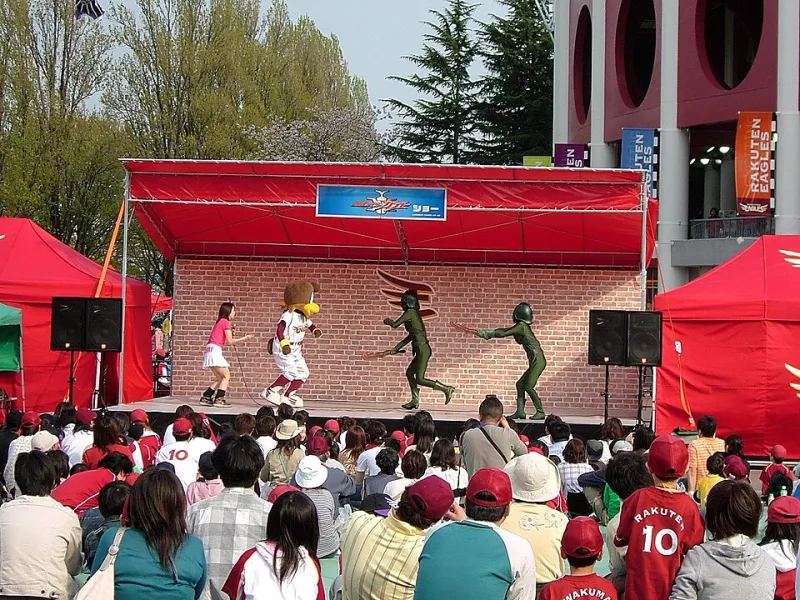
Photo: kazuletokyoite, CC BY 2.0, via Wikimedia Commons
For a long time, the path into tokusatsu looked pretty much the same for most Western fans. You watched a ton of anime, hit a wall, started poking around Japanese live-action content, and eventually landed on Kamen Rider or Super Sentai by accident. The genre was treated like a bonus unlockable — something you earned after enough hours in the anime queue.
That pipeline is breaking down. And honestly? Good.
What's happening right now in North American tokusatsu spaces is genuinely new. Gen Z fans aren't arriving through anime. They're arriving through TikTok transformation compilations, YouTube deep dives on practical effects, Discord servers dedicated entirely to Ultraman lore, and a growing network of creators who have decided tokusatsu deserves its own lane — not a seat at the anime table.
The Separation Has Been Building for a While
It would be easy to frame this as a sudden shift, but the groundwork has been laid for years. The release of Shin Ultraman and Shin Kamen Rider in the early 2020s gave Western fans high-profile theatrical events to rally around. Toei's official YouTube uploads of older Super Sentai and Kamen Rider episodes — free and subtitled — quietly became one of the most significant access points the genre had ever had in the West. No subscription required. No hunting down fansubs. Just click and watch.
That accessibility did something important: it removed the gatekeeping that had historically kept tokusatsu as a niche within a niche. Suddenly, a 16-year-old in Ohio could watch Kamen Rider Black on their lunch break without knowing anyone who was already into it.
And they did. A lot of them.
What Tokusatsu Offers That Anime Genuinely Can't
Here's the thing that gets undersold in these conversations: tokusatsu and anime are not actually the same product. They scratch different itches, and Gen Z fans seem to understand this more clearly than any previous generation of Western fans did.
Practical effects appreciation is a huge part of it. There's a whole subset of tokusatsu fans who are specifically there for the craft — the suit acting, the miniature destruction sequences, the way a monster fight is choreographed with a physicality that CGI just doesn't replicate. These fans overlap significantly with the practical effects communities that have grown up around behind-the-scenes content for movies like The Thing or Mad Max: Fury Road. They're not anime fans who wandered over. They're effects enthusiasts who found a genre that feeds their specific obsession.
Then there's the campy charm factor. Tokusatsu wears its earnestness openly. The heroes are unambiguously heroic. The villains are theatrical. The emotional beats are broad and sincere. In a media landscape that spent a decade drowning in ironic detachment and grimdark aesthetics, there's real appeal in something that just... means it. Gen Z, famously, has a complicated relationship with irony. They can appreciate camp without being condescending about it, and tokusatsu rewards exactly that kind of engagement.
There's also the episodic structure. Most tokusatsu series are built around contained weekly stories within a larger arc. For fans who feel overwhelmed by the commitment structure of long-form anime — 50-episode seasons, multi-series continuations, manga reading requirements — a tokusatsu episode that tells a complete story in 25 minutes is genuinely attractive.
The Community Infrastructure Is Real Now
What makes this moment feel genuinely different from previous tokusatsu interest spikes in the West is the community infrastructure that's been built around it. This isn't just passive viewership. There are dedicated Discord servers with thousands of members organizing watch parties for new Kamen Rider episodes the day they drop. There are TikTok creators with significant followings who post nothing but tokusatsu content and have never made an anime video in their lives. There are collectors building communities around die-cast figures and DX toys that have nothing to do with the Gunpla or figure markets that dominate anime collector spaces.
The social media ecosystems are also running on different platforms and different content formats than anime fandom. Anime Twitter (or whatever we're calling it now) is its own beast. Tokusatsu TikTok is a different community with different norms, different humor, and different entry points. The transformation sequence edit is its own art form. The suit design breakdown video has its own audience. These aren't borrowed formats from anime fandom — they're native to the genre.
Why This Matters for Japanese Pop Culture in the West
The cultural implications here go beyond just which shows are getting more clicks. For years, the Western perception of Japanese pop culture has been almost entirely filtered through anime. When mainstream outlets cover Japanese entertainment, they talk about anime. When brands want to tap into Japanese pop culture aesthetics, they pull from anime. Tokusatsu has existed in the background as trivia — oh, Power Rangers came from Super Sentai, isn't that fun — rather than as a living, breathing genre with contemporary relevance.
A tokusatsu fandom that operates independently changes that framing. It means Japanese pop culture exports are being understood in more complex, more accurate terms. It means Toei and Tsuburaya Productions have leverage and audience in the West that doesn't depend on anime's market performance. It means there's a path for Japanese live-action genre content — not just animation — to build sustainable Western audiences.
It also means the next generation of Western fans interested in Japanese filmmaking, practical effects, and suit performance might actually have a community to land in.
The Fandom Is Writing Its Own Rules
Perhaps the most interesting thing about the current tokusatsu moment in North America is that the community is largely self-defining. There's no dominant studio marketing push shaping how fans engage. There's no Crunchyroll algorithm deciding what gets surfaced. The fans who showed up early built the spaces, wrote the wikis, made the videos, and established the norms — and the fans arriving now are inheriting a culture that was built by enthusiasts rather than corporations.
That's rare. And it creates a kind of community ownership that's genuinely different from how a lot of anime fandom operates, where platform recommendations and simulcast schedules do a lot of the cultural heavy lifting.
Tokusatsu fandom in the West isn't finished building itself. But it's clearly not waiting for anime to show it the way anymore.