Scanlators Built the Road the Industry Now Drives On
There's a version of this story where scanlators are the villains. Publishers tell it all the time. Unauthorized scans, unlicensed translations, ad-revenue-generating aggregator sites eating into official sales — the case against fan translation is pretty easy to make on paper. But spend five minutes in any manga Discord server or subreddit, and you'll hear a completely different story. One where fan translators were the whole reason someone picked up a series in the first place. One where official releases took three years to arrive and cost thirty bucks a volume. One where the "legal" option didn't exist at all.
The truth, as usual, sits somewhere in the middle — and it's a lot messier than either side wants to admit.
How We Got Here
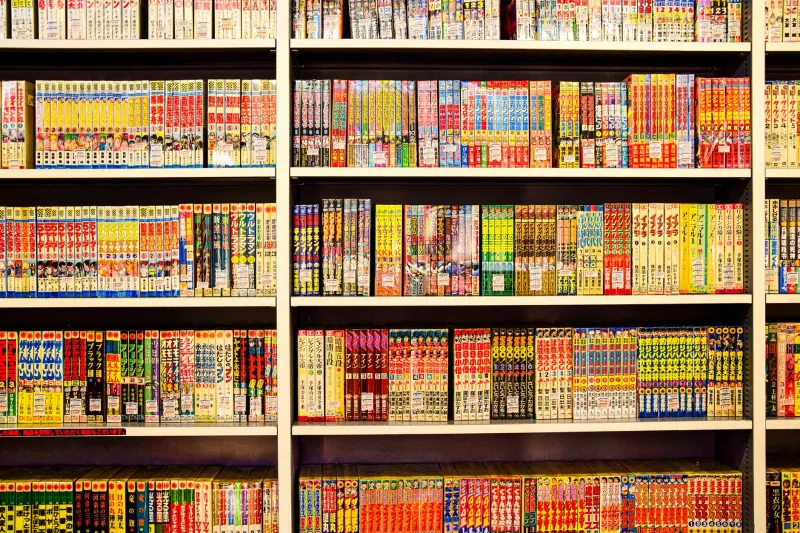
Scanlation — the practice of scanning physical manga pages and adding fan-produced translations — has been around since the early internet era. Before Crunchyroll had a manga tab, before Viz Media had a digital storefront, before any of that infrastructure existed, small volunteer groups were doing the work of localization entirely on their own dime. They'd source raw Japanese scans, recruit translators who actually knew the language, bring in typesetters to make the text fit naturally on the page, and upload the finished product for free.
For a huge portion of American manga fans who came up in the late '90s and 2000s, scanlations weren't a workaround — they were the only way in. Series that never got licensed, volumes that went out of print, niche genres that no US publisher would touch — fan groups covered all of it. And in doing so, they quietly built the American manga readership that publishers are now cashing in on.
That debt doesn't get acknowledged much. But it's real.
The Speed Problem Nobody Wants to Fix
Here's the thing about official localization that rarely gets discussed honestly: it's slow. Not slow in a "we're being careful" way. Slow in a "this series aired in Japan two years ago and we're still on volume four" way. For long-running shonen titles, the gap between Japanese and English publication can stretch into years. For light novels, it's often worse.
Fan translators don't have that problem. A dedicated group can have a chapter translated, typeset, and posted within days of the Japanese release. Sometimes within hours. That speed isn't just a convenience — it's what keeps readers engaged. Waiting months between cliffhangers is a real barrier to entry, and the industry has largely refused to invest in the infrastructure needed to close that gap.
Some publishers have tried. Simultaneous releases — called "simul-pub" — exist for a handful of high-profile titles. Manga Plus, Shonen Jump's free app, offers same-day chapters for its flagship series. Those efforts are genuinely good. But they cover a fraction of what's actually being published in Japan, and the economics of professional localization mean that slower, smaller, or weirder titles will always fall through the cracks.
Fan groups fill those cracks. They always have.
The Crackdown and Its Limits
Publishers have gotten more aggressive in recent years. Cease-and-desist letters, DMCA takedowns, and coordinated pressure on aggregator sites have knocked out some of the biggest scanlation hubs. MangaDex — one of the more community-minded platforms, which actually tried to work with rights holders — has had to navigate constant legal pressure while attempting to maintain a space for fan work on unlicensed titles.
The crackdowns make headlines. What doesn't make headlines is how quickly new groups spin up, how easily content migrates to new hosts, and how little the underlying demand actually changes. Whack-a-mole is an uncharitable way to describe publisher enforcement strategy, but it's not entirely inaccurate. The infrastructure for fan translation is decentralized almost by design, and shutting down one node rarely stops the flow.
More importantly, crackdowns tend to hit the wrong targets. The volunteer groups translating obscure isekai light novels that will never see a US license aren't the problem anyone should be focused on. The ad-farm aggregator sites that scrape scanlations and monetize them without any connection to the fan communities that produced them — those are a different story entirely. The industry often conflates the two, which frustrates fans who see a meaningful ethical distinction between someone doing unpaid labor out of love for a series and a faceless website running banner ads on stolen content.
What Fans Actually Think
Poll any American manga reader about scanlations and you'll get complicated answers. Most people aren't ideologically opposed to paying for content — they buy official releases regularly. What they object to is paying for content that isn't available, waiting years for titles to catch up, or watching a series they love get a localization that mangles the original tone.
Translation quality is a genuine grievance, not just a fan excuse. Official localizations have real constraints — editorial guidelines, localization choices made for broad audiences, inconsistent handling of honorifics and cultural context. Fan translators, freed from those constraints, often produce work that feels closer to the source material. Not always. Sometimes fan translations are rough, inconsistent, or just wrong. But when they're good, they're really good, and readers notice.
The community that forms around a dedicated scanlation group is also part of the appeal. Translation notes, cultural context explanations, community discussion — that ecosystem doesn't exist around most official digital releases. Reading a fan-translated chapter often comes with a layer of engaged commentary that official platforms simply don't replicate.
The Uncomfortable Acknowledgment the Industry Needs to Make
Here's what nobody in a corner office wants to say out loud: the American manga market is as big as it is partly because scanlations normalized the habit of reading manga for millions of people who had no other access point. The readers buying official volumes today, supporting Kickstarter manga campaigns, paying for Manga Plus subscriptions — a meaningful chunk of them got there through fan translation first.
That doesn't make unauthorized distribution legally okay. Copyright law is copyright law. But it does make the industry's posture of pure victimhood hard to take seriously. You can't spend decades benefiting from a community's unpaid labor and then act surprised when that community has opinions about how they're being treated.
The path forward probably involves a few things: faster official releases, more robust simul-pub programs, better pricing for digital access in markets that are price-sensitive, and — most importantly — actually licensing the long tail of content that currently exists in a gray zone only because nobody bothered to bring it over officially.
Fan translators aren't going away. The demand they serve is real, and until official channels meet it, the community will keep doing what it's always done. The industry can keep playing defense, or it can take the hint.
Either way, the scanlators will be there on release day.