From Shelf to Safe: When Anime Figures Stopped Being Toys and Started Being Assets
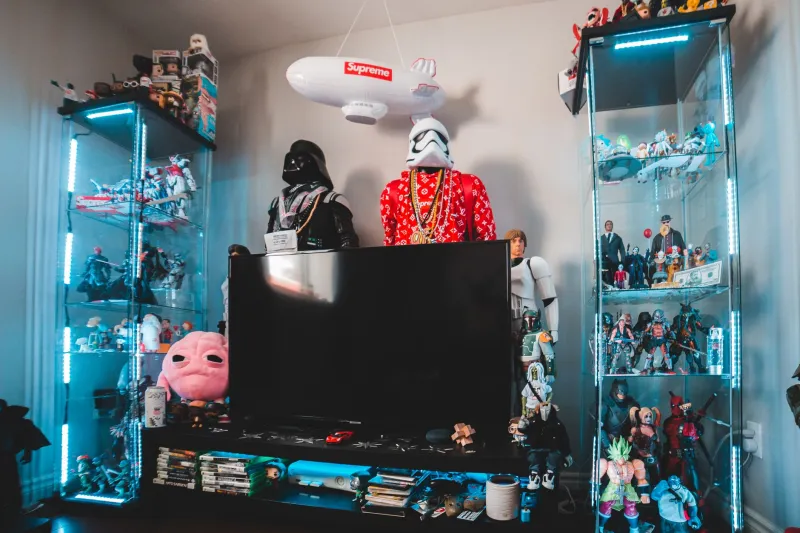
Somewhere in a climate-controlled spare bedroom in suburban Ohio, there's a collection of anime figures insured for more than most people's cars. The owner — a 34-year-old IT project manager named Derek who asked us not to use his last name — spent years building what he calls "a passion portfolio." He uses that phrase without irony. He tracks his figures in a spreadsheet. He follows secondary market prices the way some people follow the S&P 500.
"I still love the shows," he's quick to say. "But I'd be lying if I told you I wasn't thinking about resale value every time I hit 'buy.'"
Derek isn't an outlier. He's a sign of where anime collecting has landed in 2024 — a space where fandom and finance have gotten so tangled up that it's getting genuinely hard to tell them apart.
The Premium Tier Changed Everything
For most of anime's history in the West, figures were souvenirs. You bought a Dragon Ball Z Goku at a convention, put it on your desk next to your keyboard, and that was the whole transaction. The idea that a piece of PVC plastic might appreciate wasn't really part of the conversation.
Then the premium manufacturers showed up and rewrote the rules.
Companies like Good Smile Company, Kotobukiya, Max Factory, and Alter started producing figures at a level of sculptural detail that genuinely challenged fine art collectibles. We're talking hand-painted gradients, fabric-soft hair sculpts, and bases that look like dioramas. The price points climbed accordingly — $150, $250, $400, and beyond. Limited production runs became standard practice. Lottery-style release systems (a fixture in Japan's collectible culture) started appearing on Western import sites.
When supply got deliberately tight and quality went through the roof, the secondary market exploded. A figure that retailed for $220 could hit $800 on the aftermarket within a year if the character was popular enough and the run small enough. Suddenly, collectors weren't just buying things they loved. They were making bets.
Why Certain Figures Print Money (And Others Collect Dust)
Not every figure becomes an investment. Understanding which ones do is basically a subculture within the subculture at this point.
Character popularity is the obvious variable, but it's more complicated than "buy everything from a hit show." The figures that appreciate tend to come from a specific intersection: beloved characters, top-tier manufacturers, limited production windows, and — critically — a fandom with staying power. A figure from a series that burned bright for one season and disappeared rarely holds value. A figure from a franchise with a decade-long fanbase and active community? That's a different story.
Scale matters too. 1/4 scale figures, which can stand nearly 20 inches tall, have become a particular sweet spot for high-value appreciation. They're too large for casual display, expensive enough to filter out impulse buyers, and impressive enough that serious collectors will pay serious money to fill that gap in their lineup.
Then there's the re-release factor. Good Smile and others occasionally reprint popular figures, which can tank secondary market values overnight. Veteran collectors watch manufacturer announcements like hawks for exactly this reason. A rumored reprint is basically a market correction in miniature.
The Western Collector's Particular Flavor
Japan has had a robust figure collecting culture for decades. Akihabara's back-alley shops have been stacked with limited-edition merchandise since before most American collectors were born. But the way Western fans — and specifically American collectors — have engaged with the premium figure market has introduced some new dynamics.
For one, American collectors brought a more aggressive investment mentality to the space. Reselling culture in the US has been turbocharged by platforms like StockX, GOAT, and the sneaker market's general normalization of buying-to-flip. That mindset migrated naturally into anime figures. Facebook groups and Discord servers dedicated to figure resale have thousands of members. Some operate with the organization and jargon of actual trading floors.
There's also the authentication cottage industry that's grown up around imported figures. Counterfeit figures — particularly from Chinese manufacturers — have gotten sophisticated enough that dedicated guides exist for spotting fakes. Box printing quality, barcode formats, paint application consistency: collectors learn to read these like a jeweler reads a stone. It's a level of due diligence that would've seemed absurd in the "figures as souvenirs" era.
The Part Nobody Really Wants to Talk About
Here's the uncomfortable question that hangs over all of this: does turning fandom objects into financial instruments actually damage the culture?
The argument that it does isn't hard to make. When a figure's secondary market value becomes part of its identity, casual fans get priced out. Someone who just finished Frieren: Beyond Journey's End and wants a quality Frieren figure to put on their shelf shouldn't have to compete with resellers who bulk-bought through proxy services. The joy of owning something you love shouldn't require a financial calculator.
There's also a subtler erosion happening at the community level. Collector spaces that used to feel like shared enthusiast hangouts have started to develop the slightly transactional energy of investment forums. Conversations about which figures you love get quietly displaced by conversations about which figures will move.
But the counterargument has real weight too. The premium figure market's financial viability is precisely what funds the insane level of craft these manufacturers bring to their work. The economics of a $350 figure justify the sculptor's time, the quality materials, the small-batch production. Without collectors willing to pay — and yes, sometimes resell — at those price points, the entire premium tier of the market probably doesn't exist.
Derek, back in Ohio, has thought about this more than most. "I started collecting because I loved the shows," he says. "I still do. But I'd be a hypocrite if I pretended the money side of it doesn't add something to the hobby for me. Is that bad? I genuinely don't know."
What Comes Next
The figure market isn't slowing down. If anything, the premium segment keeps pushing higher — $500 figures are increasingly unremarkable, and a handful of ultra-limited releases from top manufacturers have crossed four figures at retail. The secondary market follows accordingly.
For fans who just want a great figure of a character they love, navigating this landscape is genuinely harder than it used to be. But the craft on display at the top end of this market is also more extraordinary than it's ever been. These aren't toys. They're closer to commissioned sculpture.
Maybe that's the honest answer to the question of whether the financialization of anime collectibles is good or bad: it's both, simultaneously, and probably in ways we haven't fully mapped yet. Fandom has always had a complicated relationship with commerce. The figure market just made that relationship a lot more literal.
Just, you know, keep the receipts. Apparently you're going to need them.